Are Seiko Watches Good?

Are Seiko Watches Good? And Other Seiko FAQs
If you’ve browsed a few watch forums, sifted through some Reddit threads or haggled over prices at the jewelry counter, you might’ve seen the same name pop up over and over: Seiko Watch Canada. They get rave reviews from those looking to make an affordable, reliable purchase, as well as the most discriminating collectors of fine horology – a bit of a feat in the watchosphere. But is all this hype warranted or have we forgotten what this brand has actually accomplished? Let’s see what makes the Seiko watch brand run and explore the burning questions you probably have.
Are Seiko Watches Actually Good?
Short answer: yes, and for reasons that go beyond nostalgia.
The other thing is that Seiko is one of only a handful of watchmakers on Earth who makes literally everything themselves – the movement, the case, the dial, the hands, and even their own glass in the case of more expensive models. Typically, watches use outsourced movements made by ETA or Sellita. Seiko crafts their own movements, which allow for quality control and innovation that most other brands can only dream of. (Yes, more on Spring Drive.)
At the budget level, Seiko’s workhorse auto movements – the 4R and 6R series are classic examples – make good sense, even if they don’t hit chronometer-level precision, they’re relatively inexpensive to have serviced and if you baby it, will run for decades. While at the high end with its Grand Seiko and Credor collections, it directly competes with even the best Swiss makers – and usually wins the argument on finishing and technical prowess.
This means “good” will depend on what else it is competing with. Generally comparing other pieces in its price category, Seiko often represents great value; on against Swiss luxury pieces in its price category, it generally beats it for pure engineering and loses out with the prestige brand.
Why Is Seiko So Popular With Collectors?
Three reasons keep coming up:
Value for money. A $300–$500 Seiko diver can outperform watches costing three or four times as much in terms of build quality and water resistance.
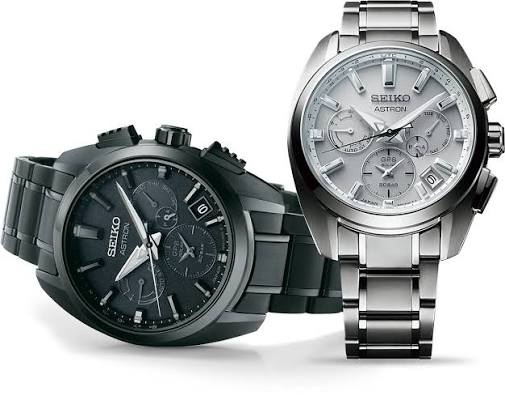
Historical significance. Seiko didn’t just participate in watchmaking history — it reshaped it. The 1969 Seiko Astron was the world’s first quartz wristwatch, an innovation that nearly ended Swiss mechanical watchmaking entirely (an event still referred to as the “quartz crisis”).
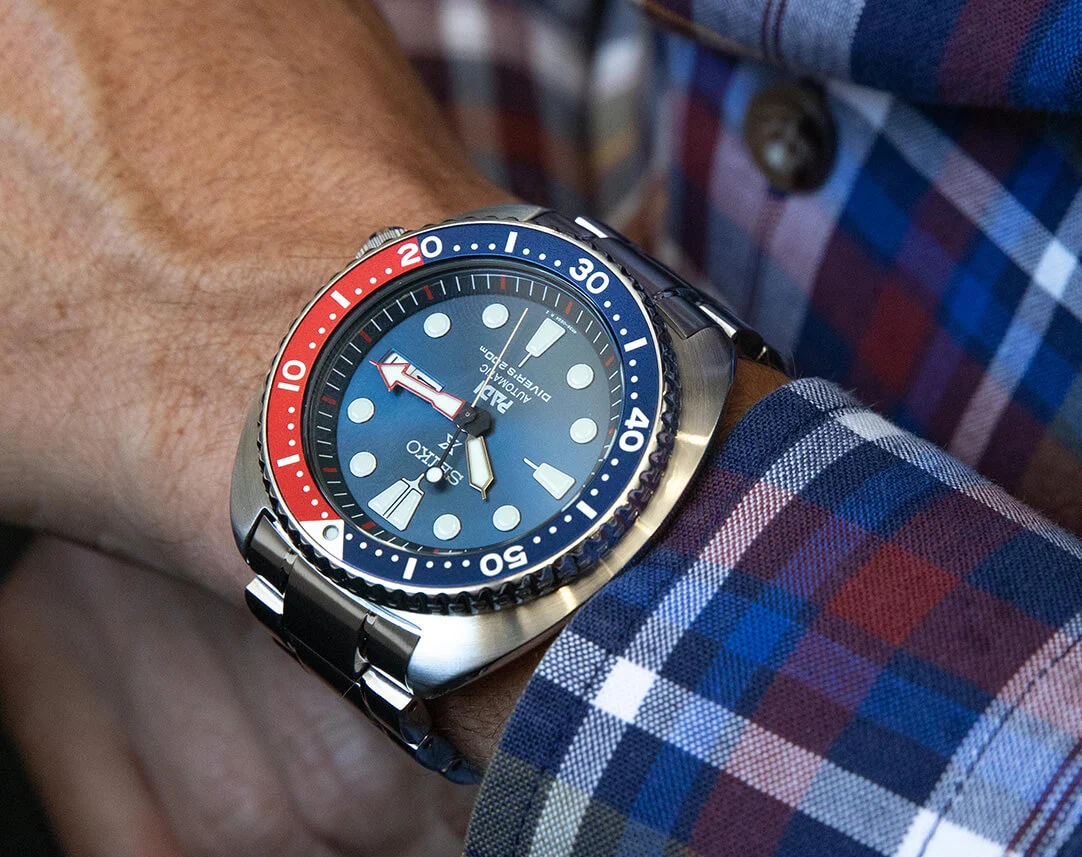
Design identity. Models like the SKX007 diver, the “Turtle,” the “Samurai,” and the Presage dress line have become icons in their own right, instantly recognizable even to people who don’t follow watches closely.
What’s the Difference Between Seiko and Grand Seiko?
Which many a newbie gets confused by. Grand Seiko originally was the top tier line in 1960 when Seiko decided it would separate the brand in 2017 and become independent, not “expensive seiko watches”. More like the separate company that made them that has the same daddy.
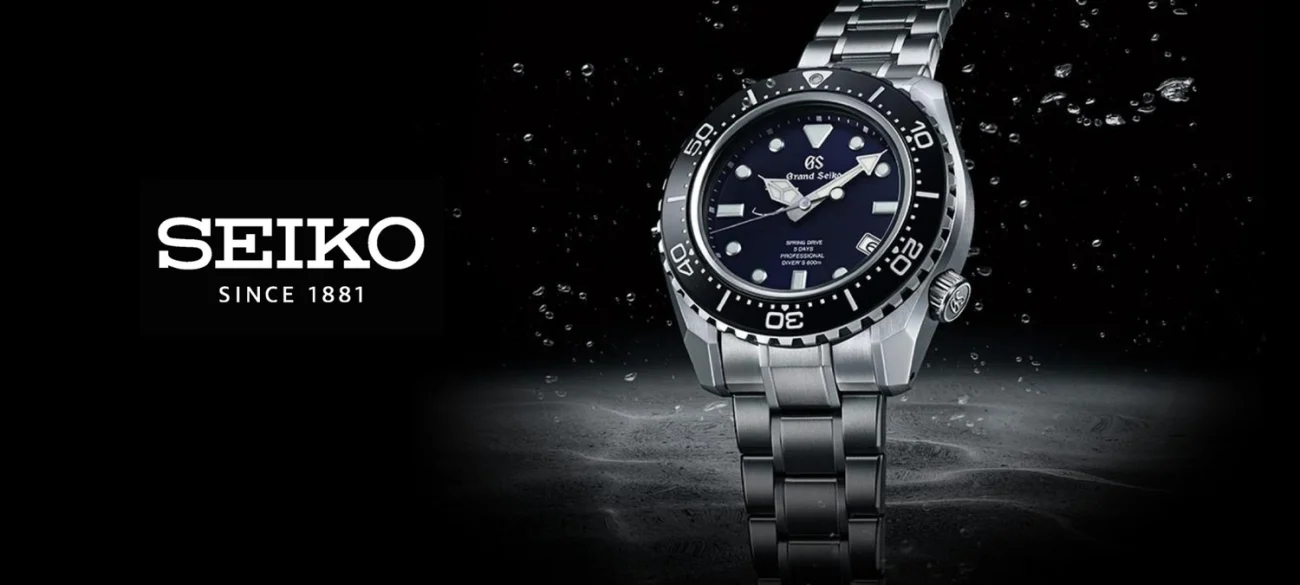
Grand Seiko watches often begin in the $3,000-4,000 range and ascend from there, going head to head with Rolex and Omega and the rest of the Swiss establishment. Their finishing – dial textures, polishing and finishing of the case, applied indices – are at a standard that almost no other brand on the planet can match. While regular Seiko is a king of value, Grand Seiko is the specialist choice.
What Is Spring Drive?
Seiko’s proprietary movement, Spring Drive, is actually the one thing that is most unique in the contemporary watchmaking industry. It uses a mechanical mainspring (meaning no battery) and a magnetic brake to control the speed of the movement up to quartz precision.
The outcome is that a watch has the internal workings of an automatic, wound with a spring, but near quartz accuracy – with that familiar “glide motion” second hand, moving instead of jumping. It takes Seiko watch-engineers close to 30 years from initial idea, to watch.
Are Seiko Watches Waterproof?
“Waterproof” isn’t a term actually used by watchmakers, as after a while even the best-constructed case will slowly, eventually admit a bit of pressure. Instead focus on the water resistance rating system and notice how Seiko clearly shows:
- 30m/3 ATM: splash resistant only — no swimming or showering
- 50m/5 ATM: light swimming okay, no diving
- 100–200m/10–20 ATM: suitable for swimming, snorkeling, and recreational diving
- 200m+ with ISO 6425 certification: true dive watches, rated for professional scuba use
The Seiko dive watches, especially in the Prospex series, are really for underwater, not just designed that way – and this distinction (far more significant than you would imagine, with many other companies producing “diver-look” watches that will barely tolerate submersion for minutes) is key to the design.
Do Seiko Watches Hold Their Value?
This really depends on the model in question. For the most part, bargain market quartz Seikos devalue themselves as soon as they’re taken out of their box and shipped with very little of their retail value coming back when you attempt to sell. However, some of the more expensive mechanical and special editions of Seikos have created themselves in this second-market value for as much as they cost off retail because of some of these fan-favorite fan discontinued watches.
Grand Seiko watches generally hold their value much better, more like Swiss Luxury Watches, but they are hardly ever seen in investment circles the way that certain models of Rolex might be.
Where Are Seiko Watches Made?
In 2006, Grand Seiko continued this tradition at the newly opened Grand Seiko Studio in Shinshu, and while this is the exclusive birthplace of automatic models for many other lines, such as Credor, Grand Seiko are produced in their multiple other Japanese facilities, predominantly the Shizukuishi Watch Studio (mechanicals) and a complex set of locations for their “Ginza”/”Shinshu” lines of models. Grand Seiko also has many lines of watches manufactured in Malaysia and China, though usually only the more entry level collections. Again this can be an issue with collectors. As with most brands the “Made In Japan” label will influence both resale value and indeed how collectors are prepared to pay for their watches and so always look at the case back if this is an important detail to you.
How Long Does a Seiko Watch Last?
With minimal upkeep (a service between 3-5 years depending on whether it is mechanical or has to go to the jeweler to have a battery changed like most quartz) a Seiko watch can reliably keep time for decades. Many 30 and 40 year old Seiko’s do not, including automatic Seikos from the ‘70s,’80’s and ‘90s – these have legendary status for their longevity.
Is Seiko a Luxury Brand?
Generally, no, except for one big area. Seiko – core brand – lives squarely at the affordable / mid-tier and has many direct competitors like Citizen, Orient, and the lower tier Tissot lines. Grand Seiko, Credor etc are serious luxury. So the true answer: Seiko is the accessible brand with a separate, authentic luxury brand tacked on and it’s that which makes the brand’s discussion so rich.
The Bottom Line
Seiko etches this reputation onto its watches the hard way-and honest way. It requires decades of engineering excellence, of designing movements in-house, of consistently delivering incredible value no matter if you’re in the market for $60 quartz beaters or five-figure Grand Seikos. Seiko doesn’t cut corners, doesn’t use any borrowed R&D, and it, time and again, has meaningfully moved this art forward for everyone else at every price level.